From policy to practice: ADEA convenes countries to sharpen foundational learning accountability ahead of FLEX 2026
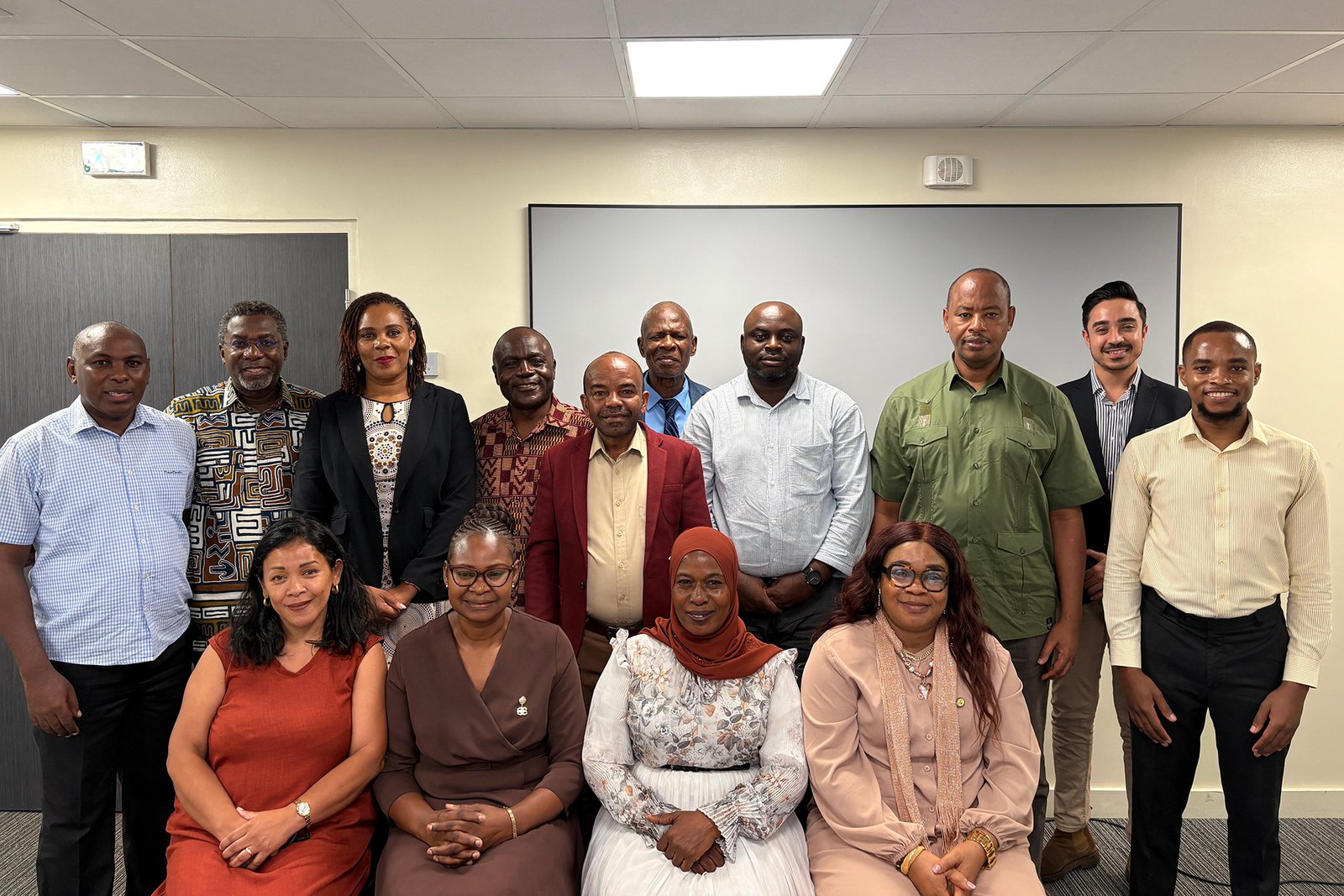
From the 14th to 16th April, ADEA convened a three-day in-person workshop to explore country progress to their commitments to foundational learning (FL), especially those made at the 2024 edition of the Foundational Learning Exchange in Kigali. This effort seeks to track country performance against their FL commitments. It will strengthen country capacity to drive FL initiatives and prepare them to showcase their progress in FL since FLEX2024.
The political will across Africa to improve foundational learning has never been stronger — yet governance weaknesses, fragmented accountability systems, and limited capacity for data-driven decision-making continue to limit progress at scale. To close this gap, ADEA launched "the Promoting Better Governance: Enhancing Accountability and Capacity in Foundational Learning in Africa" intervention, a two-year initiative supporting seven countries, including Angola, Côte d'Ivoire, Ghana, Kenya, Madagascar, Uganda, and Zambia to strengthen their institutional systems that translate national commitments into learning reality.
Setting the tone for the session, ADEA's Senior Foundational Learning Expert, Dr. Jacqueline Jere Folotiya, framed the session as an opportunity to enhance learning outcomes:
"Education systems are like an iceberg — the reports, statistics, and frameworks are only the tip. The real work lies beneath the surface: governance structures, data systems, and accountability mechanisms. Strengthening these is what ultimately improves learning outcomes."
In his opening remarks, ADEA Executive Secretary Albert Nsengiyumva reinforced this call, urging countries to ensure policies are translated into effective classroom practices that bring about learning impact:
"The challenge now is to ensure policies are translated into effective systems and classroom practices. Accountability is the bridge between policy and impact."
He further highlighted the urgency of sound data use and strategic resource allocation, particularly in the context of Africa's rapidly growing school-age population.
Country presentations at the session revealed a landscape of meaningful progress alongside persistent systemic challenges. Several countries reported advances in teacher development, the provision of quality learning materials, and the rollout of education management information systems. However, common structural constraints emerged across all participating countries, coalescing around three cross-cutting themes.
- First, while data is being collected, it is not consistently reaching or informing decision-making at the levels where action is most needed.
- Second, the middle tier of education systems — district and sub-national officials responsible for supervision and oversight between national policy and the classroom — remains under-resourced and insufficiently effective as a governance and accountability mechanism.
- Third, despite strong policy frameworks, a persistent gap between policy intent and implementation continues to constrain progress, with execution capacity identified as a key bottleneck.
Countries expressed the need to strengthen data integration, improve the dissemination and practical use of evidence, and reinforce the capacity of middle-tier actors who play a critical role in translating national commitments into classroom practice.
Workshop discussions were anchored on two key instruments: the Foundational Learning Action Tracker (FLAT) and the FLEX accountability framework — both designed to support countries in monitoring progress and strengthening reporting against their foundational learning commitments. Participating countries also deepened their understanding of the initiative's scope and clarified the type and level of technical and institutional support required within their respective national contexts.
Building on the workshop outcomes, ADEA and participating countries agreed on key priorities for 2026, including strengthening national data systems, improving coordination mechanisms, and delivering targeted technical support aligned with country-specific needs. Countries also identified respective strengths and shared constraints, opening avenues for regional collaboration and peer learning — including potential partnerships between countries such as Zambia and Uganda.
Following this workshop, the initiative is now moving from diagnosis to action, with a strong focus on country participation in FLEX 2026 in Lilongwe, Malawi — with a clear ambition: to ensure participating countries have the governance structures, accountability mechanisms, and data systems needed to deliver and sustain foundational learning outcomes at scale. The workshop marked the first collective in-person engagement of participating countries under the initiative— a platform to assess progress, identify priorities, and chart a coordinated path forward. This initiative and its activities contribute directly to the implementation of commitments under the 2024 Kigali Declaration on Foundational Learning and to preparations for FLEX 2026.
Through this initiative, ADEA continues to support member-countries in building stronger, more accountable education systems — ensuring that improvements in governance translate into measurable gains in learning outcomes for every African child. This initiative is being delivered with support from the Hempel Foundation.