African countries strengthen collaboration to advance education and skills data systems
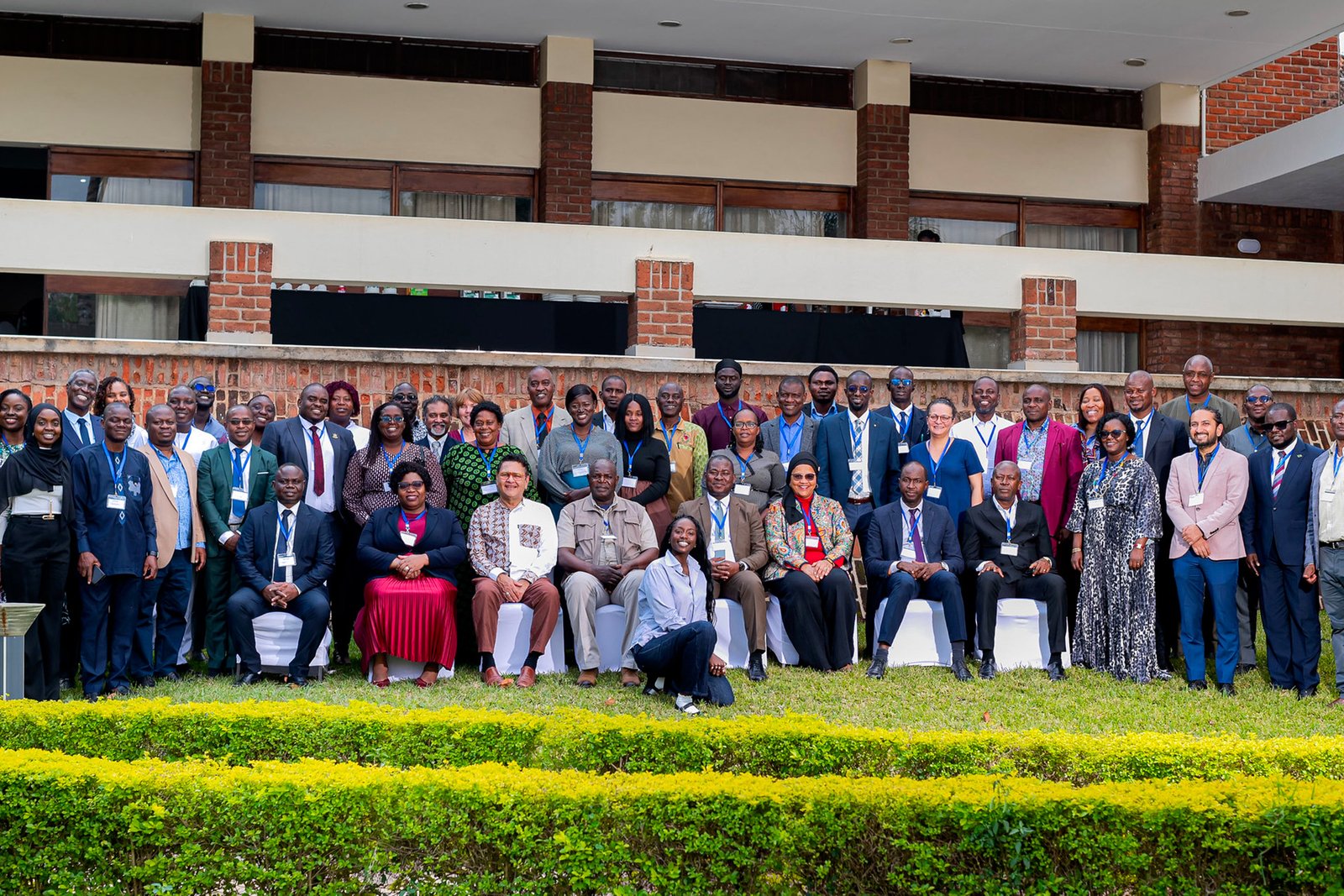
Lilongwe, Malawi, 14 July 2026 – Representatives from 25 African countries, development partners, and regional institutions converged in Lilongwe, Malawi, a Knowledge & Stakeholder Engagement Workshop, organised by the Association for the Development of Education in Africa (ADEA) under its Education and Skills Data Challenge (ESDC) initiative. The workshop was held on 13th and 14th July ahead of the 2026 Africa Foundational Learning Exchange (FLEX2026). It provided a strategic platform for countries implementing the ESDC initiative to review implementation progress, exchange experiences, capture lessons, promote peer learning and strengthen collaboration to accelerate the development and use of education and skills data systems across Africa.
Opening the workshop, ADEA Senior Programmes Officer Shem Bodo encouraged participants to recognise the significant progress African countries have made in strengthening education and skills data systems over the past two decades. While acknowledging that challenges remain, he urged participants to focus on achievements as a foundation for future progress. He emphasised that Member States must lead Africa's education data agenda, with development partners playing a supportive role, and called on countries to align their efforts with the African Union's Continental Education Strategy for Africa (CESA 2026–2035). He stressed that stronger national ownership, African-led solutions and quality data are essential to informing effective education policies and accelerating the continent's development.
The workshop combined technical knowledge exchange with strategic stakeholder engagement, recognising that sustainable education data reforms require more than technical capacity. Throughout the two-day workshop, participants reviewed implementation experiences from countries at more advanced stages of the ESDC initiative while identifying practical solutions to common challenges. Discussions focus on strengthening governance frameworks, improving interoperability between education information systems, enhancing data quality and utilisation, building institutional capacity, and promoting sustainable investment in integrated education and skills data systems.
A key component of the workshop focused on advocacy and stakeholder engagement. Through collaborative exercises, country teams mapped institutional and non-state actors, analysed stakeholder influence and interest, identified policy entry points and advocacy opportunities, developed evidence-based key messages, and prepared country-specific stakeholder engagement and communication action plans aimed at increasing the use of education data in decision-making.
Addressing participants during the second day of the workshop, the Principal Secretary for the Ministry of Education in Malawi, Dr. Ken Ndala, reaffirmed the Government of Malawi's commitment to strengthening education data systems as a foundation for effective policymaking. Drawing on Malawi's experience, he noted that "the decisions we make depend on the quality of the data we have," and highlighted the opportunities offered by digital technologies and Artificial Intelligence to improve education management information systems, enhance data quality, and support evidence-informed decision-making.
Building on the Government's remarks, ADEA Executive Secretary Albert Nsengiyumva reaffirmed ADEA's commitment to supporting Member States in strengthening sustainable education and skills data systems across Africa. He stressed that reforms must be institutionalised beyond project cycles, encouraging governments to embed education and skills data into national planning and decision-making processes. He emphasised that quality data should be transformed into actionable evidence that informs policy, improves resource allocation, strengthens accountability, and ultimately enhances learning outcomes across the continent.
Beyond knowledge exchange, the workshop laid the foundation for the ESDC Community of Practice, a continental platform that will facilitate continuous peer learning, technical collaboration, and experience sharing among participating countries. To sustain momentum beyond the workshop, ADEA will support quarterly virtual knowledge exchange sessions, peer-to-peer mentoring between countries at different stages of implementation, and the establishment of a shared knowledge repository through the AU Data Portal.
The workshop delivered several strategic outputs, including country stakeholder influence maps, draft advocacy and engagement action plans, a consolidated summary of implementation lessons, and an agreed framework for the ESDC Community of Practice. These deliverables will strengthen country ownership, reinforce collaboration across ministries and institutions, and accelerate the implementation of sustainable education and skills data systems across Africa.
By bringing together governments, technical experts, development partners, and regional institutions, ADEA continues to demonstrate its commitment to supporting African countries in transforming education and skills data into actionable evidence that informs policy, strengthens education systems, and ultimately improves learning outcomes for every learner across the continent.
The Education and Skills Data Challenge (ESDC) initiative aims to strengthen the capacity of up to 30 African countries to produce, report and use quality education and skills data for evidence-informed policymaking, planning, programme implementation, monitoring, and evaluation. Since its launch, the initiative has expanded from an initial cohort of 11 countries to 25 participating countries, each progressing at different stages of implementation. The workshop therefore was an important opportunity for countries with more advanced implementation experience to share practical lessons and accelerate progress across the continent.