17 African Ministers commit to data-led education reforms at FLEX2026 Ministerial Breakfast
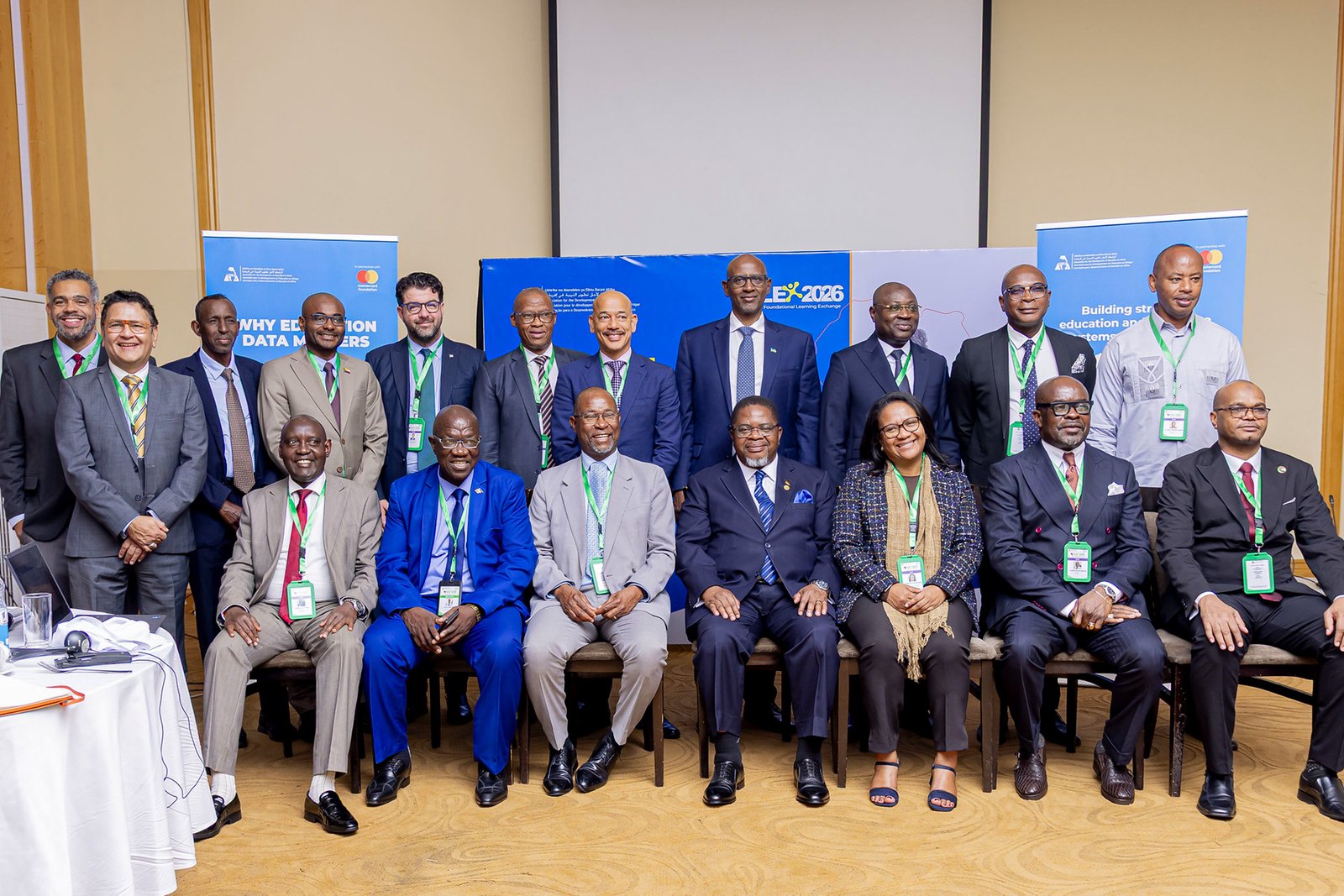
Lilongwe, Malawi, 15 July 2026 – Seventeen Ministers of Education and Permanent Secretaries from across Africa gathered in Lilongwe, Malawi on 15 July 2026 to reaffirm their political commitment to strengthening education data systems and embedding evidence at the heart of foundational learning policy and reform efforts. The Ministerial Breakfast Meeting, convened by ADEA on the sidelines of the 3rd Africa Foundational Learning Exchange (FLEX2026), underscored a growing continental consensus: improving what children learn requires national systems capable of generating reliable data, producing relevant evidence, and translating both into decisive action.
Welcoming participants, ADEA Executive Secretary Albert Nsengiyumva highlighted the progress of the Education and Skills Data Challenge (ESDC) across Africa and noted that the Ministerial Breakfast builds on the outcomes of the technical workshop held on 13–14 July. He emphasized that FLEX2026 provides an opportunity for African leaders to translate technical recommendations into stronger political commitment and concrete country action to improve foundational learning across the continent.
"Everything starts with data, but our ambition must go beyond collecting data. We must build strong national systems that transform evidence into better policies, smarter investments and improved learning outcomes for every child," he said. He also called on governments to institutionalize reforms beyond project cycles, reminding participants that "projects come to an end, but systems remain. "
The meeting featured presentations on two complementary ADEA-supported initiatives. The Africa Foundational Learning Assessment Initiative (AFLAI) supports countries in building robust learning assessment systems to track whether children are acquiring foundational learning skills. The African EdTech Research Initiative generates locally relevant evidence on the role of educational technology in improving learning outcomes. Together with the ESDC, these programmes form a coordinated continental response to the data and evidence gaps that have long constrained education policymaking in Africa.
A highlight of the meeting was the ministerial roundtable, during which Ministers and senior government representatives shared country experiences and exchanged perspectives on strengthening political leadership, integrating education data systems and translating evidence into policies that improve learning outcomes. Emphasizing the central role of data in driving education reform, Rwanda's Minister of Education, Joseph Nsengimana, noted:
"We must have the data. We must understand where we are, and ensure that we do not take isolated actions, but rather systemic ones that increase results and impact. Collaboration will improve our work—that is why we are here today."
Participants reaffirmed the importance of collaboration, peer learning and sustained political commitment to ensuring that every African child acquires foundational literacy, numeracy and the skills needed to thrive in an increasingly complex world.
The Ministerial Breakfast opened the high-level policy discussions of FLEX2026, held under the theme "From Commitments to Results: Delivering Foundational Learning at Scale." The meeting brought together ministers and permanent secretaries from several African countries, among them, Botswana, Cote d’Ivoire, the Central African Republic, Democratic Republic of Congo, Kenya, Madagascar, Malawi, Rwanda, Niger, and Senegal. Their commitment to integrated education data systems, strengthened learning assessment and evidence-informed policymaking will anchor the policy conversations continuing throughout FLEX2026.