From pilots to systems: Zambia shares lessons on government ownership for scaling foundational learning
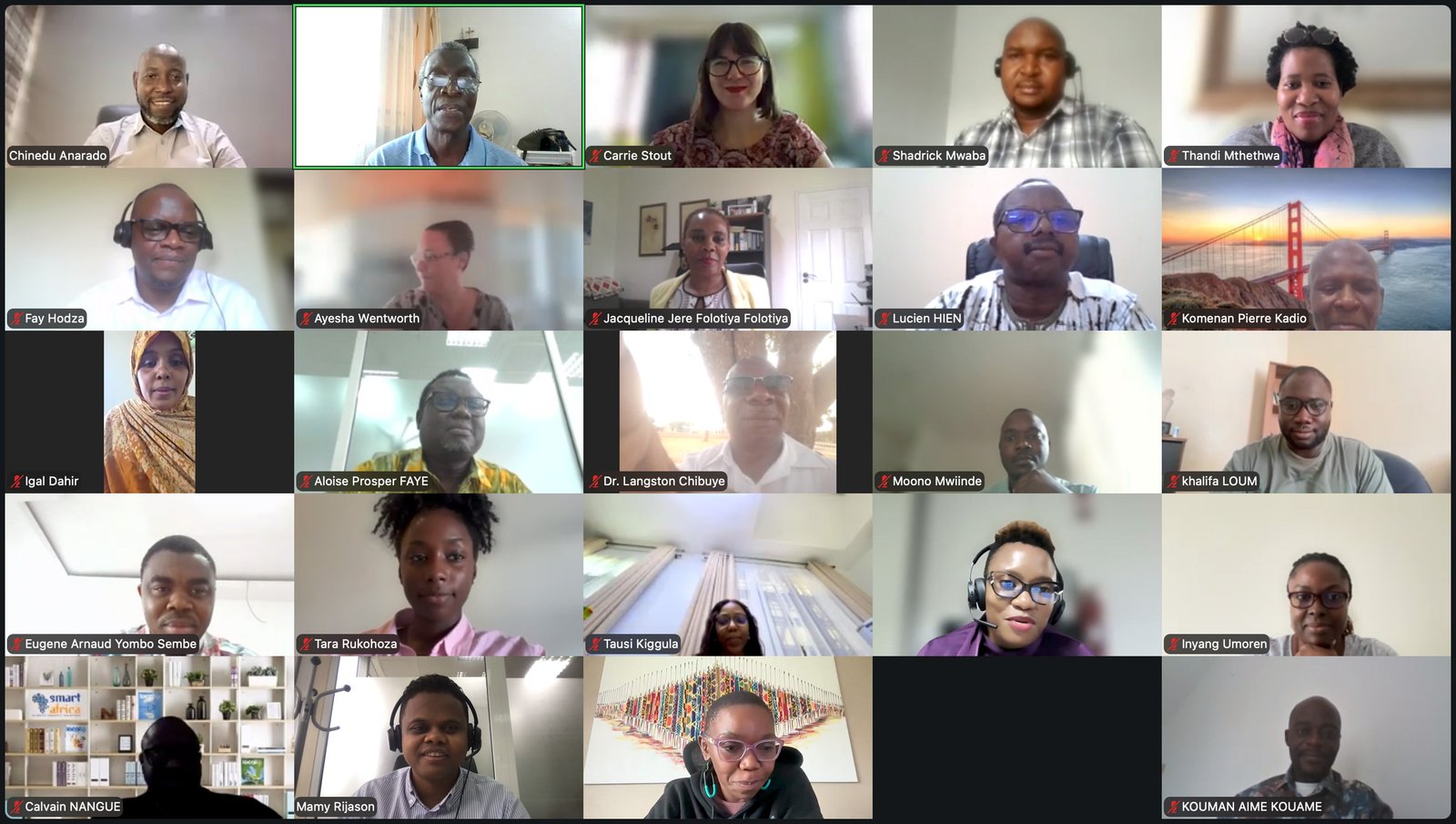
Government ownership must be designed into foundational learning initiatives from the outset if successful interventions are to move beyond pilots and achieve sustainable impact at scale. This was the key message from Zambia’s experience shared at the fourth edition of the Africa Policymaker Forum (APF) on Foundational Learning, convened virtually on 30 September 2026 by the Association for the Development of Education in Africa (ADEA), the Learning Generation Initiative (LGI), and the What Works Hub for Global Education (WWHGE).
Bringing together officials, policymakers from Ministries of Education across Africa, researchers and education partners from across Africa, the Forum examined what it takes to transition proven foundational learning interventions from partner-supported projects into programmes that are owned, financed and implemented through national education systems. Zambia’s Catch-Up programme provided a practical case study of how government leadership, institutional capacity, financing, evidence and partner coordination can support this transition.
The discussion responded to a persistent challenge across the continent. While several foundational learning interventions are demonstrating promising results, programme-level success does not automatically translate into sustainable system-wide change. Many interventions continue to depend on parallel implementation arrangements and external financing, making the transition to government ownership critical to sustaining and scaling results.
Opening the session, ADEA’s Senior Programs Officer, Shem Bodo, pointed to promising approaches being implemented across Africa, including Tanzania’s MEWAKA Coaching Programme, Teaching at the Right Level approaches in Côte d’Ivoire, Nigeria and Zambia, and Malawi’s BEFIT programme. He cautioned, however, that evidence of effectiveness alone is insufficient to achieve sustainable scale.
“When coordination is fragmented, successful initiatives can remain parallel projects rather than becoming sustainable parts of national systems. And this is where today’s discussion matters.”
He called on countries and partners to focus on practical actions that can move foundational learning interventions from projects to sustainable national programmes.
Zambia: building government ownership into delivery
Providing the government perspective, Dr Langson Chibuye, Assistant Director in the Directorate of Primary Education at Zambia’s Ministry of Education, shared Zambia’s experience of transitioning the Catch-Up programme from a partner-supported intervention towards a government-owned programme implemented at scale. His presentation highlighted several factors underpinning government ownership: aligning interventions with national foundational learning priorities; using existing government structures; strengthening the capacity of Ministry personnel; placing key implementation decisions within government; using data and evidence to guide delivery; and planning progressively for long-term financing and continuity.
It also demonstrated the importance of clearly defined roles. Government leads on policy and strategic direction, standards, prioritisation, coordination and accountability, while partners provide complementary technical expertise, capacity strengthening, financing and support for testing and adapting approaches.
Embedding foundational learning priorities within existing coordination structures—from national to provincial, district and school levels—has helped create an architecture through which interventions can align with national priorities rather than operate as parallel programmes.
Dr Chibuye nevertheless acknowledged that institutionalisation is a process rather than a single transition point. Partner priorities do not always align, coordination requires sustained government leadership, and the transfer of responsibilities and financing into national systems takes time.
He also called for continued continental advocacy to keep foundational learning high on national agendas and encourage governments to increase domestic investment.
“Let's continue advocating for African governments to plow resources into foundational learning, because we know that with foundation learning in place, then our children can pursue education at any other level.”
Reflecting on the role of implementing partners, Dr Maimbolwa Namuchana, Strategic Advisor at VVOB, explained how partner support for Zambia’s Catch-Up programme evolved—from generating evidence and contextualising the approach to strengthening government capacity and progressively transferring knowledge and implementation responsibilities into government systems.
A central lesson, she noted, is that sustainability cannot be treated as an exit strategy to be considered when external funding ends. Government ownership needs to shape programme design and implementation from the beginning, with partners coordinating around a common government-led agenda.
“If you're letting government structures themselves sit down, decide, take on the realms of implementation, monitoring and planning from the get-go, it means you're increasing the chances of a program to be institutionalized and sustained.”
Across the discussion, participants underscored that evidence of impact is only one part of the journey to scale. Sustainable institutionalisation also requires government structures capable of leading implementation; personnel equipped to perform core functions; partners aligned around national priorities; evidence integrated into government decision-making; and programme responsibilities and costs progressively incorporated into national planning and financing.
For ADEA and its partners, the message from Zambia is clear: scaling what works requires strengthening the system that must ultimately sustain it. Government ownership, therefore, should not begin when a pilot ends. It should be built into how programmes are conceived, financed, coordinated and implemented from the outset. This perspective aligns with the commitments made at FLEX 2026 in Lilongwe, Malawi, where 42 African governments and the African Union identified six priority areas for accelerating foundational learning, including stronger partner coordination and alignment and scaling evidence-based approaches. The APF discussion moved the conversation from commitment to implementation by exploring the practical conditions needed to institutionalise effective interventions.
Launched in 2025, the Africa Policymaker Forum brings together senior policymakers, researchers and education stakeholders from across Africa to promote peer learning and advance evidence-informed solutions for foundational learning. The fifth edition, scheduled for December 2026, will reflect on Africa’s progress towards ending learning poverty and continue the exchange on translating evidence and continental commitments into sustainable improvements in learning.