From Data to Decisions: East African Countries Show How Better Data Can Improve Education Systems
Nairobi, Kenya | 25 August 2026
What happens when education data moves beyond reports and becomes part of everyday decision-making?
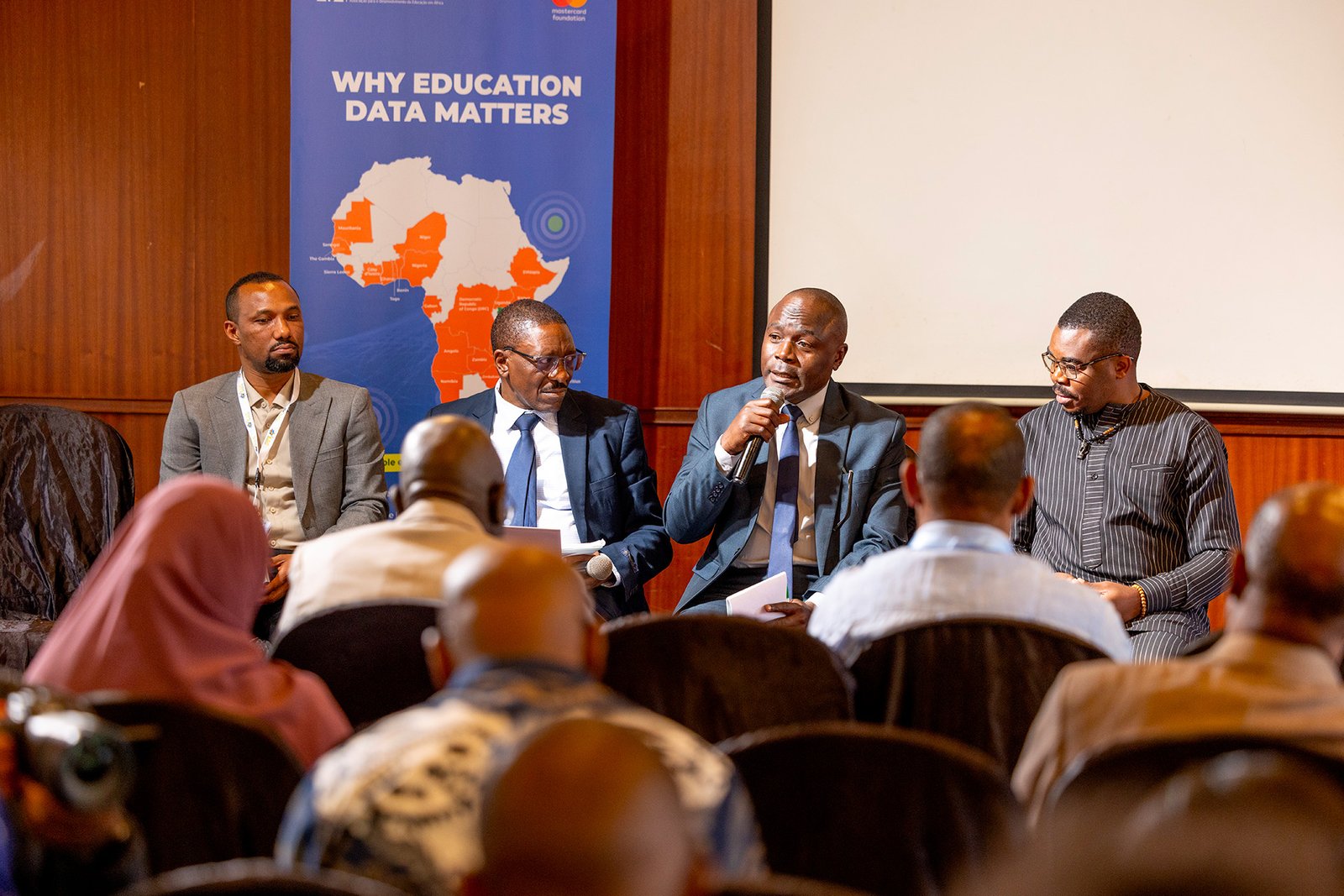
This question was at the heart of an Association for the Development of Education in Africa (ADEA)/Tackling Education and Skills Data Challenge in Africa (ESDC) Initiative pre-conference side event held on 25 August during the 2nd EAC Conference on Education, under the theme “From Data to Decisions – Transforming Education Governance Landscape in East Africa.”
The session brought together education leaders and technical experts from across the region to share what is working, what remains difficult, and how countries can make better use of data to improve education planning and management.For many of the countries represented, the discussion showed that the challenge is no longer simply collecting data. It is about making sure that data reaches the people who make decisions and that those decisions lead to real changes in schools and classrooms.
From numbers to practical decisions
Zanzibar offered a clear example of what this can look like in practice. Masoud Omar Masoud, Director of Policy, Planning and Research at the Ministry of Education and Vocational Training, shared the country’s experience with three protocols designed to improve the allocation of education resources, including classrooms and teachers. The results are striking. Over three years, implementation improved from 40% to 99%. The experience illustrates how data can help governments move from identifying needs to making more targeted decisions about where teachers, classrooms and other resources are needed most.
Kenya is taking a similar approach by bringing information from different government systems together through its education management information system. Fredrick Mujumba, Director of KEMIS at Kenya’s Ministry of Education, explained how integrated data is being used to support decisions on resource allocation and learner transitions between junior and senior secondary schools. Kenya is also exploring new digital approaches, including unique learner identification and an AI-powered chatbot to support students with career guidance.
Rwanda is embedding data in education planning and decision-making. Rwanda’s experience brought another important perspective to the discussion: how to make data use sustainable. Adia Umulisa, Head of Education Sector Planning, Monitoring and Evaluation at the Ministry of Education, explained that Rwanda’s progress has been driven by three factors: linking data to accountability, developing analytical capacity close to decision-makers, and ensuring that leaders act on evidence.
One example is a training programme supported by ADEA that reached more than 8,000 school leaders, helping them develop skills in data entry and analysis. The objective was not simply to improve the quality of information collected, but to encourage school leaders to take ownership of the data and use it in managing their schools. Rwanda has also built connections between education data and other government systems, including finance, statistics, local government, health and examinations. This allows information to be used across different parts of government rather than remaining within separate systems. For Rwanda, the broader lesson is clear: data systems are more likely to have a lasting impact when their use becomes part of the way institutions work—not something that exists only for the duration of a project.
Other participant countries shared challenges as well as progress
The conversation also made clear that the journey is not the same for every country in the EAC. Representatives from Somalia, Uganda and South Sudan shared experiences of strengthening data collection and management while dealing with challenges such as data quality, security constraints, limited feedback and difficulties in collecting qualitative information.
Somalia, for example, shared its experience with school self-assessment, an approach designed to give school leaders a stronger role in using data to understand and improve their schools. The country is looking to expand the initiative to 1,200 schools and is also developing a public teacher attendance system. These experiences reinforced an important point raised throughout the session: better technology alone will not solve the data challenge. Countries also need strong institutions, capable people, leadership commitment and mechanisms that encourage data to be used.
Building a regional culture of data use
Although countries are at different stages, the experiences shared during the session pointed to a common ambition: making evidence a normal part of education decision-making. Participants discussed the need to better track the decisions that result from data, connect information across government systems, capture feedback from schools and communities, and ensure that data ultimately leads to changes in education practice. The discussion also created space for countries to learn from one another and highlighted opportunities for stronger regional collaboration around data governance, interoperability and analytics.
For ADEA and the ESDC initiative, this exchange is part of a broader effort to strengthen peer learning across East Africa and support the development of an EAC ESDC Community of Practice. The message emerging from the session was simple but important: collecting data is only the beginning. Its real value comes when people trust it, understand it and use it to make better decisions.