ADEA pushes for measurable learning outcomes at the second EAC Regional Education Conference
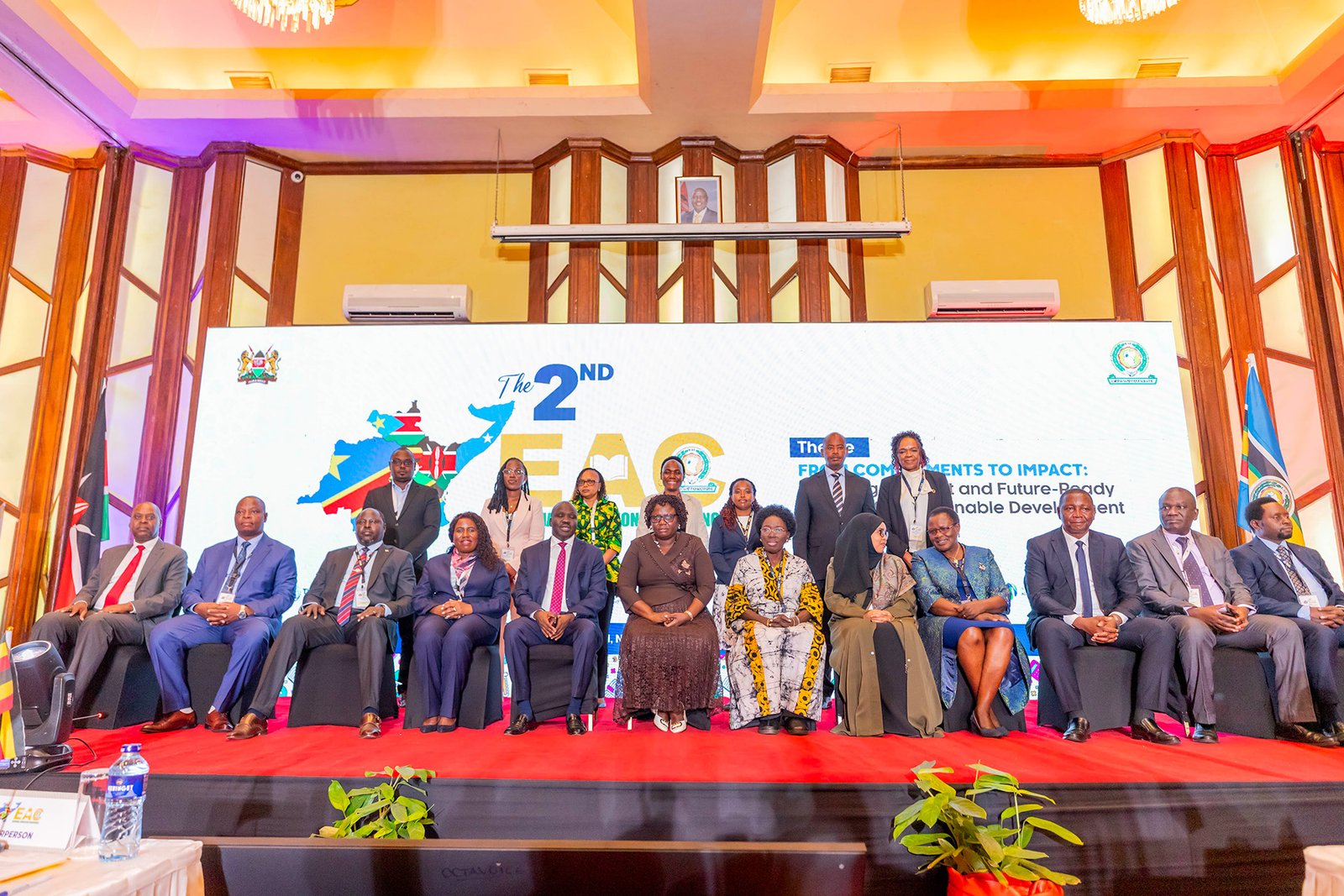
Nairobi, Kenya – August 2026 — The 2nd East African Community (EAC) Regional Education Conference provided a strategic platform for governments, regional institutions, development partners, researchers, and education practitioners to reflect on the future of education in East Africa and confront a question that has shadowed reform efforts across the continent for years: commitments have been made, but what actually changes on the ground because of them?
"What exactly are we going to do differently?"
Albert Nsengiyumva, Executive Secretary of the Association for the Development of Education in Africa (ADEA), asked participants directly. On the region's persistent gaps in education, especially in foundational learning, he was equally blunt:
"How do you tell you are making progress if you cannot measure it?"
That challenge set the tone for four days of discussion, and it produced concrete direction more than renewed pledges. The conference converged on a specific set of interventions, moving past the broader aspirations of previous convenings: structured pedagogy, coaching and mentoring for teachers, appropriate learning materials, and formative assessment — the mechanics of what actually moves a child from not reading to reading, not just the policy language around it. ADEA's contribution was to keep the conversation anchored to that specificity, tying it back to commitments made at previous convenings including the Triennale and FLEX2026: education investment succeeds or fails on whether it delivers measurable learning, not on whether a commitment was signed.
The same discipline applied to the conference's education data agenda. Many EAC countries have improved their ability to collect education data in recent years; fewer have built the institutional habit of using it. Somalia offered one clear illustration of what that shift looks like on the ground. Maria Zakaria Ahmed, Director of Quality Assurance at Somalia's Ministry of Education, Culture and Higher Education, described how the country has developed a public teacher attendance system that now feeds into foundational learning data, with plans to extend its use toward national assessments — even as AI integration into the system remains a future ambition rather than current practice. It is a small example of a larger point the conference kept returning to: the sequence from data collection, to data being trusted and understood, to data actually determining what gets funded, is not automatic. Countries must deliberately build this pipeline.
Conversations at the conference treated teachers as central to every other reform. Hon. Beatrice Askul Moe, Kenya Cabinet Secretary for East African Community, put the region's responsibility plainly:
"Curriculum transformation without teacher transformation cannot succeed. As a region, we should regard our teachers not simply as employees of national systems, but as a community of East African professionals."
That framing — teachers as a regional profession, not a national afterthought — points toward sustained investment in professional development and mentoring rather than one-off training events.
Regional cooperation underpinned key outcomes from the conference. Hon. Ariik Malueth, EAC Deputy Secretary General in charge of Productive and Social Sectors, was direct about what comes next:
"These initiatives demonstrate that regional cooperation in education is already producing practical frameworks. Our responsibility now is to ensure that these frameworks translate into better learning, stronger institutions, relevant skills and greater opportunities for East Africans."
The frameworks exist. The test now is implementation.
Much of what the conference surfaced was less about new ideas than about scaling what is already working somewhere in the region. Countries across East Africa are running reforms on teacher support, inclusion, and learning outcomes that other Partner States have not yet seen or adapted. Rather than each system solving the same problem in isolation, participants pointed to concrete mechanisms for closing that gap: structured exchange visits between countries to get firsthand experience of what is working elsewhere; webinars and other technology-enabled formats that make peer learning continuous rather than confined to a conference every two years; and shared platforms — including this conference and forums at the African Union level — that already bring the right people into the same room.
That same principle extended beyond the continent's own borders. The Africa-Europe Partnership to Engage on Education Reforms (PEERS) initiative, introduced to regional education authorities at the conference, applies the identical logic across continents: Europe's own education reform experience is a resource East African systems can draw on directly, just as African innovations have value beyond the continent. Conference sessions moved past general introductions into practical terrain, mapping out specifically how EAC countries can plug into PEERS and what regional cooperation under the initiative would look like.
That intent was formalized closer to home, too. ADEA's invitation to establish a Community of Practice on data-led decision-making brings together senior education decision-makers from across the region on a standing basis. The reasoning was straightforward: the best decisions on education financing and reform are made at the senior management level, and those decisions improve when the people making them are in regular contact with counterparts facing the same constraints elsewhere in the region, not only meeting once every conference cycle.
The conference also addressed gender and inclusion, and skills development for young people entering the workforce, both treated as inseparable from the foundational learning and data agendas rather than as separate tracks — a reminder that education transformation is not a single lever but several that have to move together.
The second EAC education conference's conversations will only matter if they produce measurable change: stronger cooperation that outlasts the conference agenda, evidence that actually shapes budget and policy decisions, and — the only metric that ultimately counts — better learning outcomes for children across East Africa. ADEA's continued role is to keep that connective work going between conferences: linking country experiences, sustaining the data-to-decisions pipeline, strengthening foundational learning, and keeping pressure on education systems to lead on the priorities they have already set for themselves.