ADEA convenes African assessment leaders to co-design continental support framework for foundational learning assessment
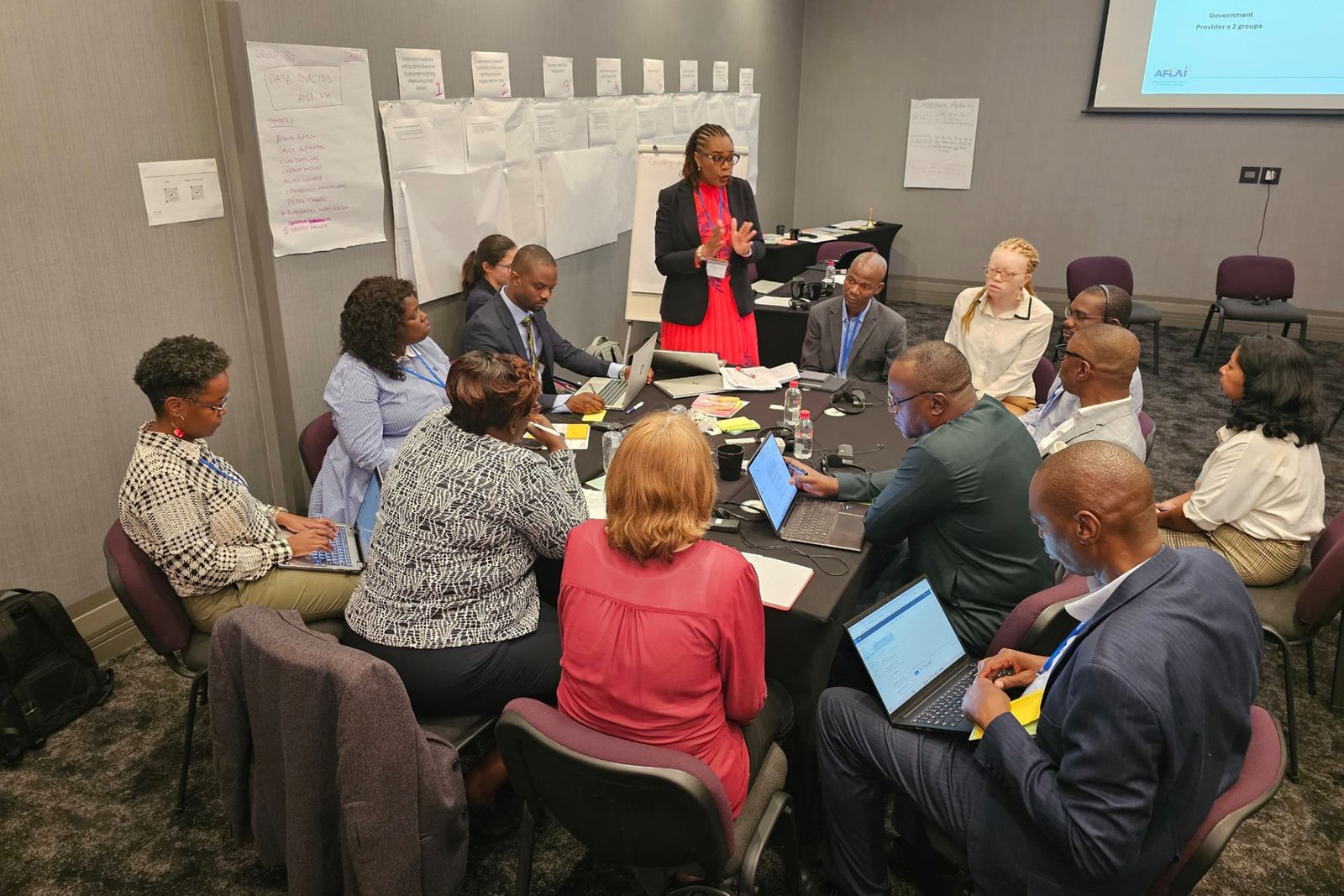
ADEA, in partnership with Human Capital Africa, convened a co-creation workshop in Cape Town, South Africa, from 10 to 13 March 2026 to design the operational framework of the Africa Foundational Learning Assessment Initiative (AFLAI) – including its knowledge exchange platform, centralised resource portal, and technical assistance package for African countries.
The workshop brought together country assessment leaders, examination councils, and technical experts from across Africa, alongside leading continental and global institutions including DataFirst (University of Cape Town), PASEC, the Eastern Africa Regional Centre (EARC), SADC, and the PAL Network. Together, participants worked to co-design practical guidance for strengthening foundational learning assessment systems across the continent – marking a significant milestone in translating AFLAI’s vision into concrete, country-responsive services.
AFLAI was established in direct response to a critical gap: while improving foundational literacy and numeracy has become a continental priority, many African countries still lack consistent, high-quality, and comparable data on what children are actually learning in primary school. Without reliable assessment systems, it becomes difficult for ministries, examination councils, and educators to track progress, target support, and translate political commitments into measurable change in classrooms.
The initiative was announced at the ADEA 2025 Triennale in Accra as one of ADEA’s concrete responses to the weakening of external support for African learning assessment systems. Its foundations were laid at a September 2024 co-creation convening in Nairobi, where 13 countries and leading assessment experts came together to shape an initiative genuinely fit for Africa’s needs and realities.
AFLAI is structured around three complementary streams of support. The Knowledge Exchange Series connects policymakers and technical experts through convenings, webinars, and peer learning opportunities. The AFLAI Common Resources Portal provides a curated hub of practical tools and guidance covering assessment design, data collection, and data use for reading and mathematics. The Technical Assistance Facility offers targeted, country-responsive support for nations designing, implementing, or strengthening their foundational learning assessments.
Underpinning all three streams are clear guiding principles: placing country demand at the centre, leveraging African talent and institutions, strengthening existing systems rather than promoting single tools, ensuring assessment data translates into actionable classroom insights, and enabling continental knowledge-sharing and collaboration.
Through structured working groups, country assessment leads and independent experts collaborated on joint guidelines for good practice in test design, administration, and analysis. Discussions also covered the latest evidence on group-based assessment administration, emerging applications of artificial intelligence in assessments, and how to ensure assessment data effectively reaches teachers and drives improvements in classroom practice. Participants further explored innovations to accelerate countries’ assessment journeys, including tools for securing item banks, automating item generation and test assembly, and making psychometric analysis more accessible to national teams.
Countries are already engaging the initiative’s emerging offer. Somalia has leveraged AFLAI support to strengthen its 2026 learning assessment, while Mozambique has submitted a capacity-building request for its assessment personnel. In February 2026, AFLAI hosted its first Knowledge Exchange webinar on literacy benchmarks, convening participants from Kenya and South Africa in what will be a continuing series of peer learning events.
Through this effort, ADEA reaffirms its commitment to walk alongside countries – through local technical assistance, shared knowledge, and continued collaboration – until they have built deep, sustainable internal assessment capacities. AFLAI is designed not as an externally driven intervention, but as an African-led, country-responsive platform whose future will be shaped by the leadership and priorities of African institutions themselves.
The March workshop marks a pivotal step in that journey – and a clear signal that ADEA and its partners are moving decisively from design to delivery in support of every African child’s right to foundational learning.